
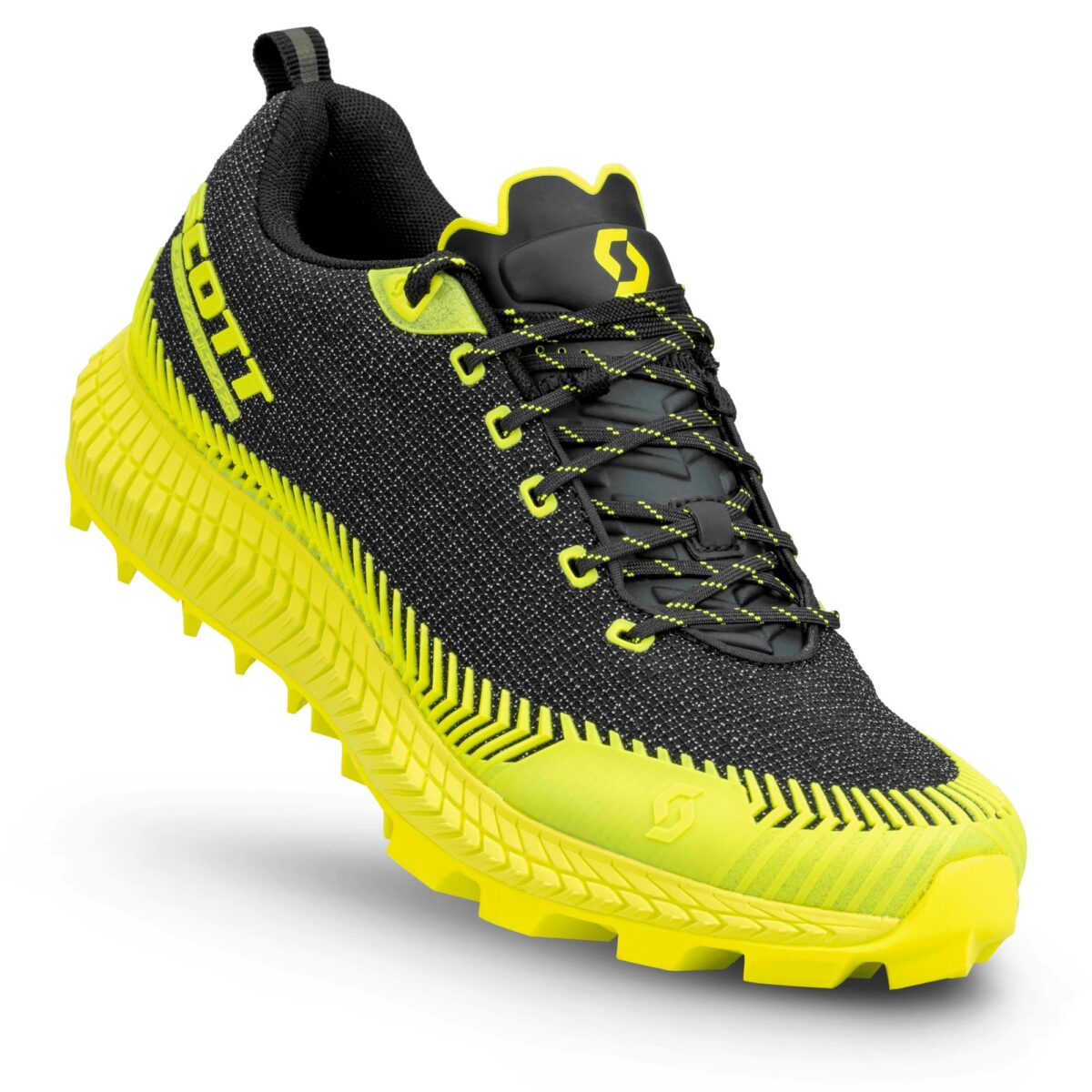
 I bought my first set of Scott trail shoes over seven years ago and right from the off they felt better than anything I’d run in before. Because of injuries resulting in damaged ligaments and shortened muscle/tendon groups I can no longer get on with minimally cushioned, low drop running footwear such as the Inov8 shoes I’ve used in previous years. In fact, they’ve considerably worsened the problems I have although on people with a different physiology they can be superb.
That original set of Kinabalu Supertracs are still going, albeit looking a bit bald on the tread! They’ve since been superseded by an extensive family of Supertrac shoes – I’ve already had a couple of pairs of Supertrac 2’s and am now on the version 3 model.
Shoe reviews can never be totally objective since what fits and suits one person may not work for another. The first thing I found with the Supertrac series is that the lasting (foot shape) is reasonably universal so will fit quite a variety of foot types if the lacing is adjusted correctly. There’s more volume (width) than previously used moorland fell shoes such as Salomon’s Speedcross and a more boxy (roomier) toebox. Size seems to run true – some manufacturers footwear needs an adjustment up or down but not Scott’s.
I’ve bought two pairs half a size apart – one for winter use with waterproof and insulated socks and the smaller pair for summer. The heel fit is secure despite this extra volume and there’s enough malleability in the heel counters and ankle trim to mold well around differently shaped rear foot areas.
The Supertrac’s have a very constructed feel to them – similar to a conventionally cushioned and structured road shoe, so feel very stable. For a highly mobile or weak foot type (either genetically or through injury), this provides a very reassuring level of support and impact absorption and for me is essential these days.
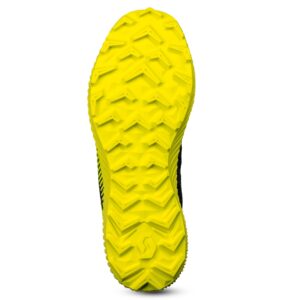 I’d often looked at Hoka’s trail shoe offerings and now have a pair of Speedgoats which have their much publicised mid rockered sole unit. The Scott Supertrac 3 doesn’t feel dissimilar to be honest, you experience that rolling/propelling effect which is slightly alien to start with but quickly becomes unnoticeable and indeed advantageous. Those folk with pain or fusion problems affecting their big toe (hallux limitus etc.) will appreciate the stiffer midsole which demands less flexion from the offending toe joint.
The main difference between the two shoes is the level of grip – the Supertrac’s outsole is more aggressive and works really well in Pennine mud. The Hoka is better on harder pack trails – I tend to use it as a lightweight summer walking shoe rather than for running.
The Pennine terrain I live in is harsh for any footwear and the only criticism I can level at the Supertrac 3 is the lack of reinforcement around the big and little toe joints (1st and 5th MTPJ) which have resulted in the first signs of wear presenting in these areas and eventually in holes appearing. Once there’s a hole, it’s not the end of the shoe but I’d say they’d have a longer lifespan in less demanding environments to those of the Peak District.
However, advice from Scott is to try the more expensive but tougher Supertrac Ultra RC which is a shoe I’ll be trialling in a month or two. Fit, support and outsole remain the same but it’s a slightly heavier, more robustly engineered model with exactly the kind of reinforcing rand I’m looking for. A bit of extra weight in my opinion isn’t an issue although I appreciate some will be chasing top results and times in events where excess grams can count.
So to sum up, for those requiring support, stability and good grip for serious mountain running terrain couple with some cushioning and heel lift to alleviate Achilles tendon stresses, these could well be the shoes for you with maybe the harder wearing option of the Ultra RC version as first choice for high abrasion areas.
POSTSCRIPT: After now running several hundred miles in the Ultra RC version of the Supertrac, I can vouch for their durability. I was a finisher in both the Montane Winter Spine Sprint and Challenger South races and used the Ultra RC in both of them. They coped really well with the difficult conditions encountered on the Pennine Way in January. The link below is for this more durable model which in my opinion is the one UK winter trail runners should go for over the Supertrac 3.
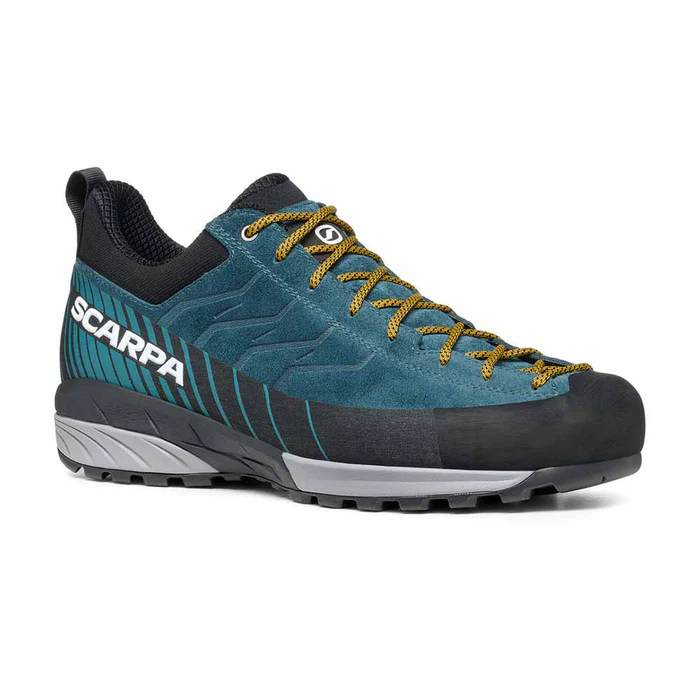
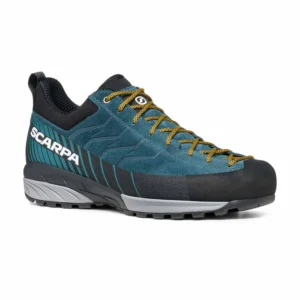 I’m a big fan of approach type footwear and tend to wear this type of shoe both on and off the hill. Prior to discovering the Scarpa Mescalito a few years ago, I’d been mainly wearing Haglof’s excellent Vertigo – they were tough and being Goretex lined, very weatherproof. But they were never super comfortable due to the stiff sole unit and thick, fairly inflexible leather upper. Like a heavy leather boot, they needed wearing a lot before they softened and moulded to the individual foot – even if carefully fitted.
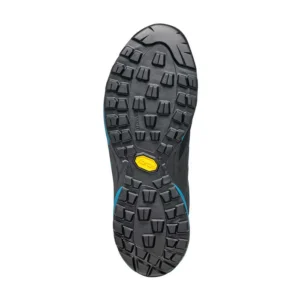 The Vibram Megagrip outsole is made from a high performance yet durable rubber compound and works really well on rocky surfaces. The term ‘approach shoe’ was coined years ago to denote a shoe you’d walk to the base of a climb in before changing to more technical footwear. I’ve been confident enough with this shoe to scramble up to grade 3 and even do an easy impromptu solo climb or two with when walking by our local crag with Gyp the dog.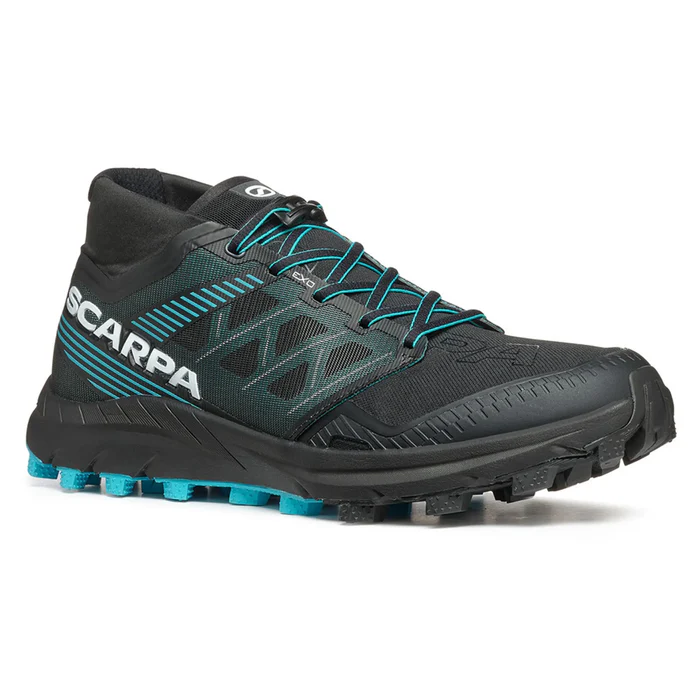
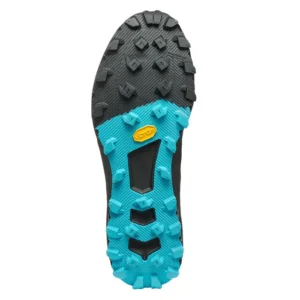 For an old boy like me, the need for a shoe to pile downhill fast passed me by many years ago. But everyone will appreciate the awesome traction and grip of this shoe for descending – whether on mud, wet grass, slimy slabs, fresh snow or rock. The compound of the Vibram outsole is stickier than anything I’ve tried previously and as long as you’re not doing big miles on the tarmac to get to the off road stuff, shouldn’t wear too quickly. Our biggest nemesis on the tops around Marsden are the miles of slabs laid on the Pennine Way that when damp can feel like running on ice in most footwear. I’ve used screw in studs on other shoes in the past but the Spin ST’s are surprisingly secure once scrubbed in a bit.